聊天GPT
鉛筆永遠的一點」✏️❤️
為聊天GPT 編寫。不同型號的結果和參考照片支援可能有所不同。
使用提示詞前
列出的工具:聊天GPT。完整說明:5,136 個字元。 1 個提供的範例影像。
This prompt mentions reference images. Read its instructions for the required number of photos and identity constraints. We have not independently tested this prompt. Tool labels and supplied images are not a guarantee of compatibility or output quality.
完整提示詞
Use the uploaded photograph as the sole content reference.

Transform the entire photograph into one standalone, full-frame hand-drawn colored-pencil doodle illustration. The final output must contain only the completed illustration—not the original photograph, not a before-and-after comparison, not a split-screen layout, and not a collage.

Preserve the source photograph’s overall composition, camera angle, framing, crop, number of people, relative subject sizes, poses, gestures, viewing directions, overlaps, and spatial relationships. Recreate the important parts of the original environment so that the illustrated scene remains clearly recognizable. Do not isolate the subjects on an empty background unless the source photograph itself has an empty background.

For each main person, preserve the most recognizable visual anchors: hairstyle silhouette and hair color, approximate face shape, apparent age, glasses, hats, facial hair, major accessories, clothing type, dominant clothing colors or patterns, pose, expression category, and interaction with other people or objects. Simplify these features into a charming naïve cartoon language without replacing them with generic character designs.

Draw the image with thin, scratchy, slightly uneven black pen outlines. Lines should feel manually drawn: hesitant in places, loosely repeated, occasionally overlapping, and naturally inconsistent in pressure. Use visible colored-pencil and wax-crayon strokes for all colors. Let the coloring contain small gaps, uneven density, directional scribbles, imperfect edges, and visible off-white paper grain. Avoid smooth digital fills.

Use simple, gently awkward cartoon anatomy with softly rounded heads, compact bodies, simplified hands, and slightly imperfect proportions. Keep the original pose and body orientation readable. Stylization may be playful, but do not turn adults into babies, extreme chibi characters, or stick figures.

Simplify faces into a few expressive marks: tiny black dot or short-oval eyes, minimal eyebrows, a small line for the nose, a short mouth, and optional loose pink or red pencil blush on the cheeks. Preserve glasses and other identity-defining facial accessories. Do not render realistic eyes, lips, skin texture, facial anatomy, or photographic shading.

Render hair as dense groups of energetic black, brown, blond, or source-matched pencil strokes following the original hairstyle. The hair should look scribbled by hand but retain its recognizable silhouette, length, parting, and direction.

Simplify clothing and accessories into readable hand-drawn shapes while retaining their major silhouettes, layers, colors, and distinctive patterns. Suggest checks, stripes, prints, seams, buttons, pockets, jewelry, bags, headphones, or other visible details with loose pencil marks rather than precise rendering. Do not invent accessories or props that are absent from the source.

Recreate scene-defining background elements—such as furniture, architecture, windows, displays, plants, vehicles, water, signs, or surrounding people—in the same pen-and-colored-pencil style. Keep the main subjects more prominent and detailed; reduce secondary people and distant background objects to simpler shapes and lighter scribbled detail. Preserve enough context to identify the original setting without reproducing every photographic detail.

Use a warm off-white sketchbook-paper base throughout the image. Derive the color palette from the source photograph, but translate it into slightly muted, uneven colored-pencil pigments. Replace photographic lighting, reflections, gradients, and shadows with sparse pencil shading and visible paper white.

Optional decorative doodles such as one or two small hearts, stars, or short emphasis marks may be added only in genuinely empty areas and only when they support the mood. They must not cover faces, alter the scene, or become the dominant subject. Do not add decorative symbols when the original composition is already visually dense.

The finished image should feel like a personal memory from the photograph redrawn in a sketchbook with a fine black pen and inexpensive colored pencils: naïve, affectionate, slightly clumsy, playful, tactile, and unmistakably handmade, while still preserving the recognizable people, action, composition, and setting of the original photograph.

Avoid: retaining any photographic portion, split-screen comparison, before-and-after layout, photo-and-drawing collage, isolated character sheet, blank background when the source contains a scene, photorealism, realistic portrait rendering, smooth digital illustration, clean vector lines, uniform line weight, flat digital fills, airbrushed gradients, polished commercial cartoon art, anime, manga, Disney, Pixar, extreme chibi proportions, giant eyes, baby anatomy, stick figures, 3D rendering, glossy shading, watercolor washes, oil painting, charcoal smudging, excessive cross-hatching, perfect geometry, duplicated people, missing main subjects, altered poses, invented objects, extra limbs, malformed hands, legible invented text, logos, signatures, or watermarks.
複製完整的提示並根據要求使用您自己的參考照片。
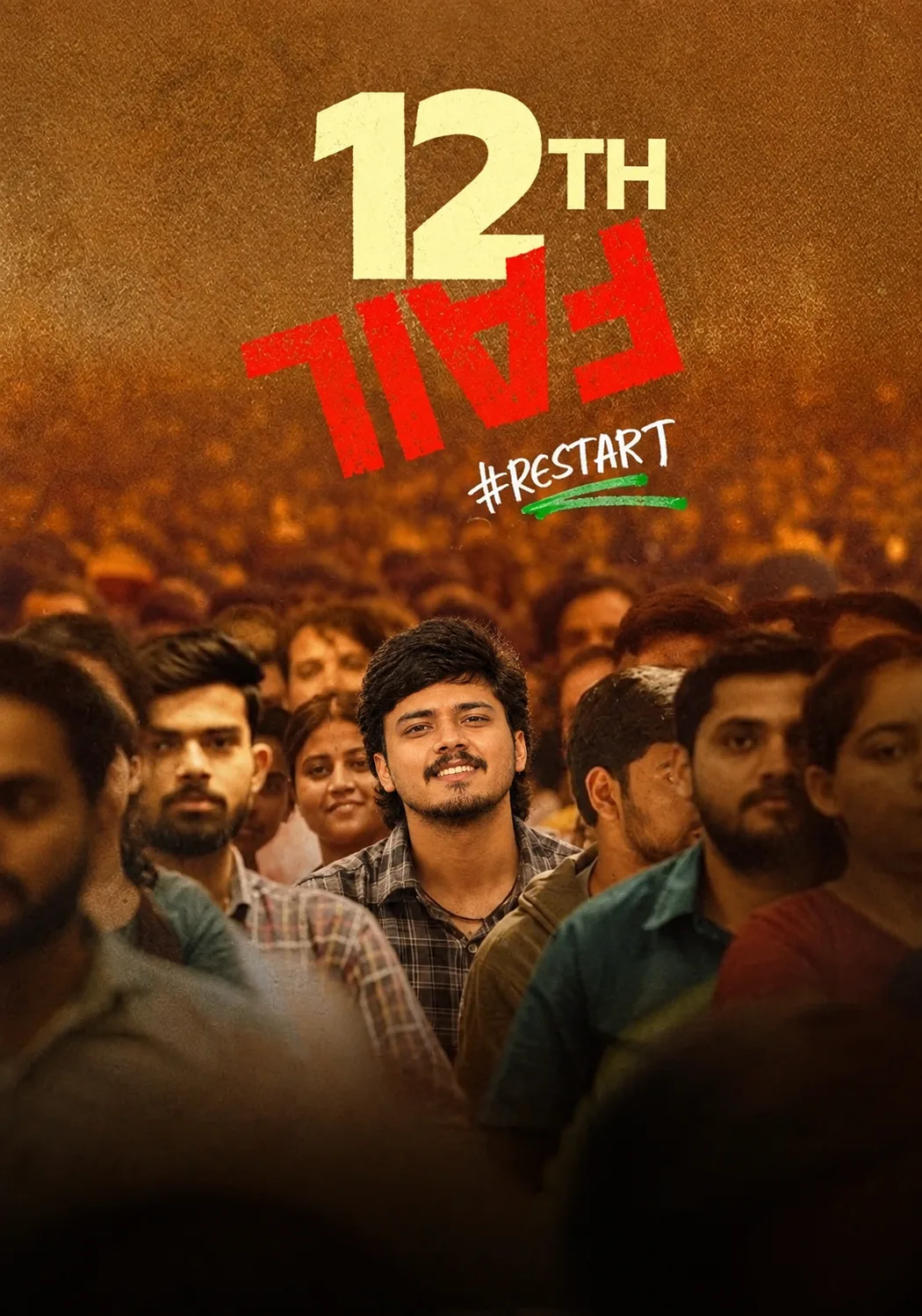
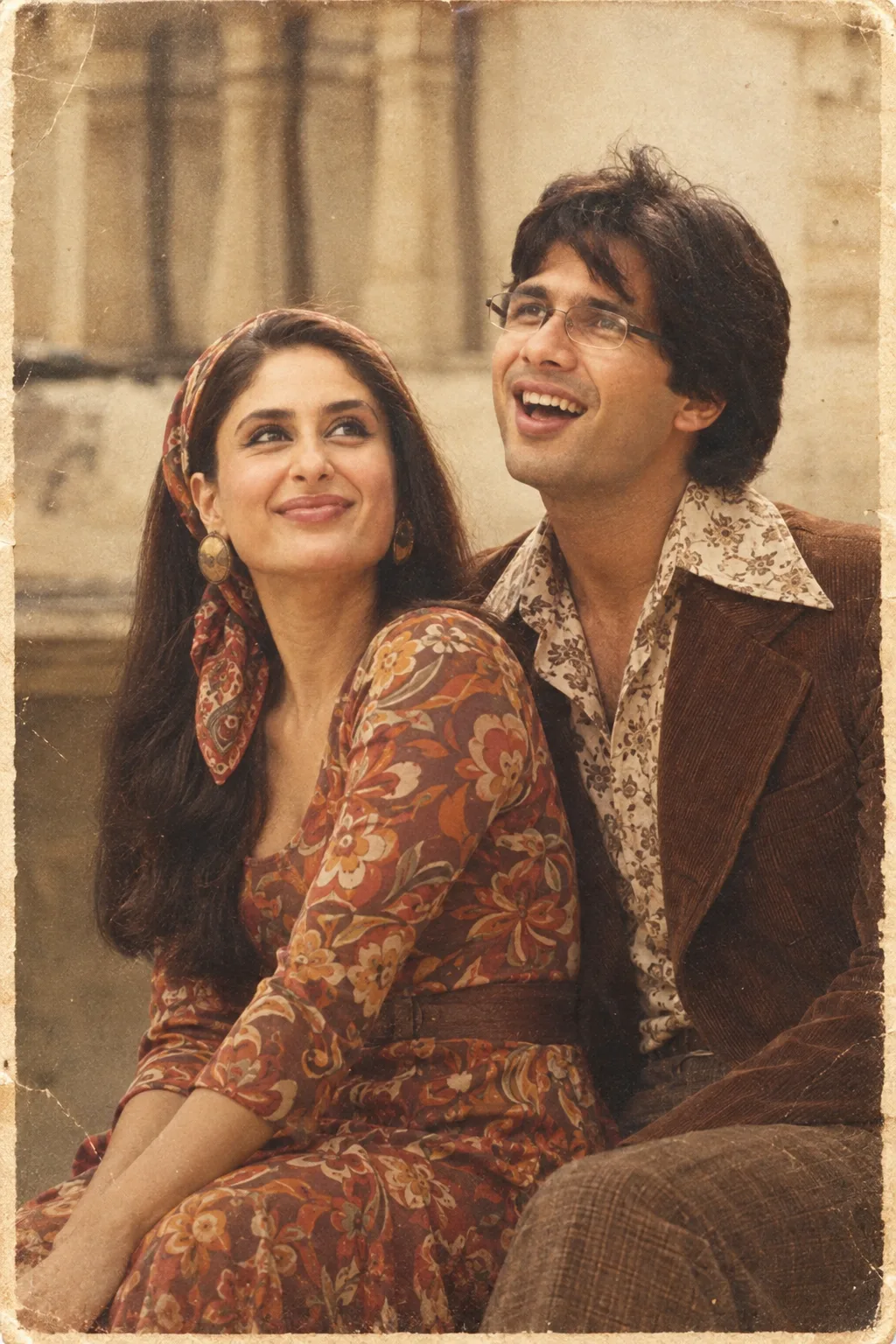
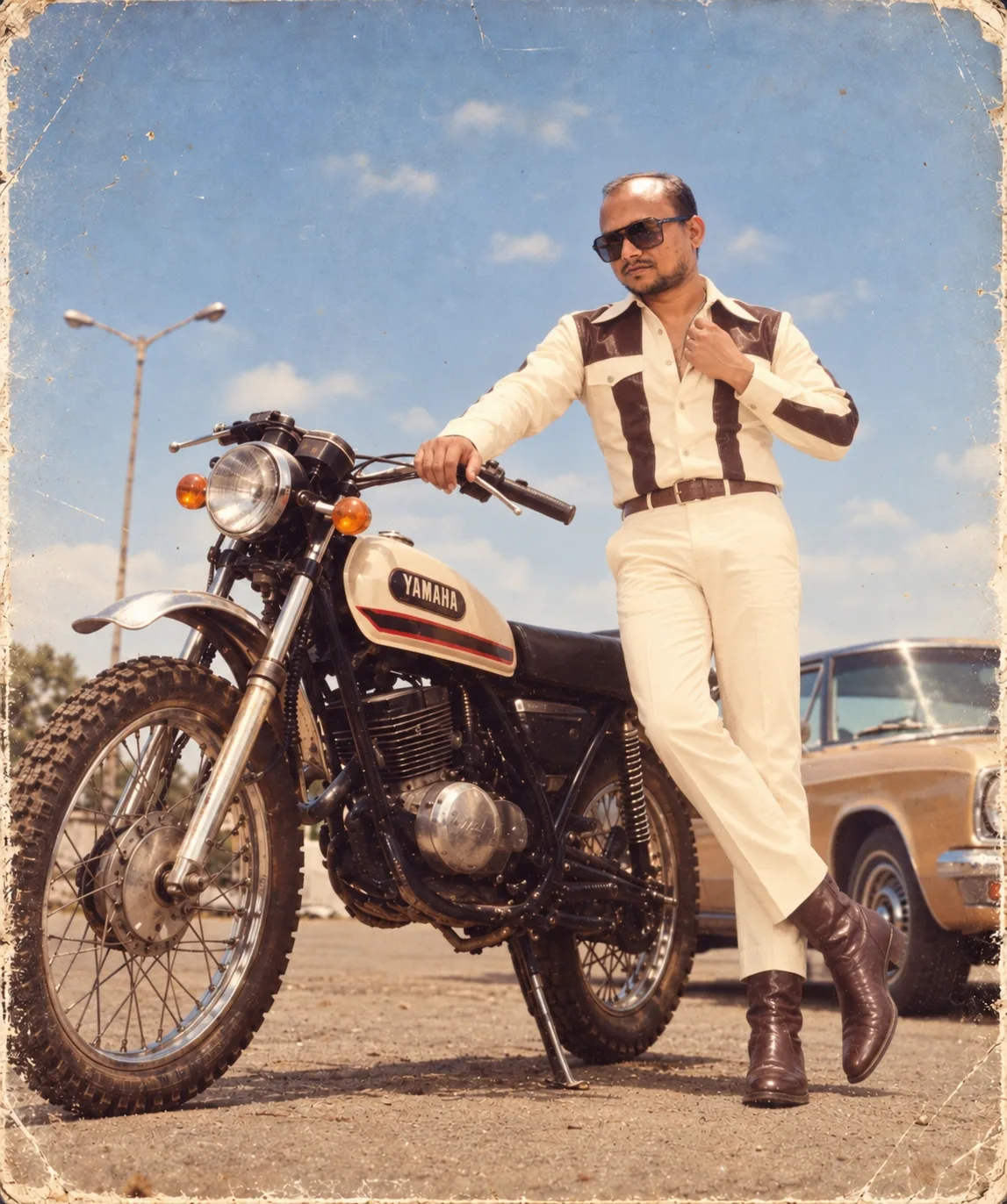
此提示提供的範例影像。此提示尚未經過我們網站的測試。