聊天GPT
電影黑豹時尚編輯
為聊天GPT 編寫。不同型號的結果和參考照片支援可能有所不同。
使用提示詞前
列出的工具:聊天GPT。完整說明:7,244 個字元。 1 個提供的範例影像。
This prompt mentions reference images. Read its instructions for the required number of photos and identity constraints. We have not independently tested this prompt. Tool labels and supplied images are not a guarantee of compatibility or output quality.
完整提示詞
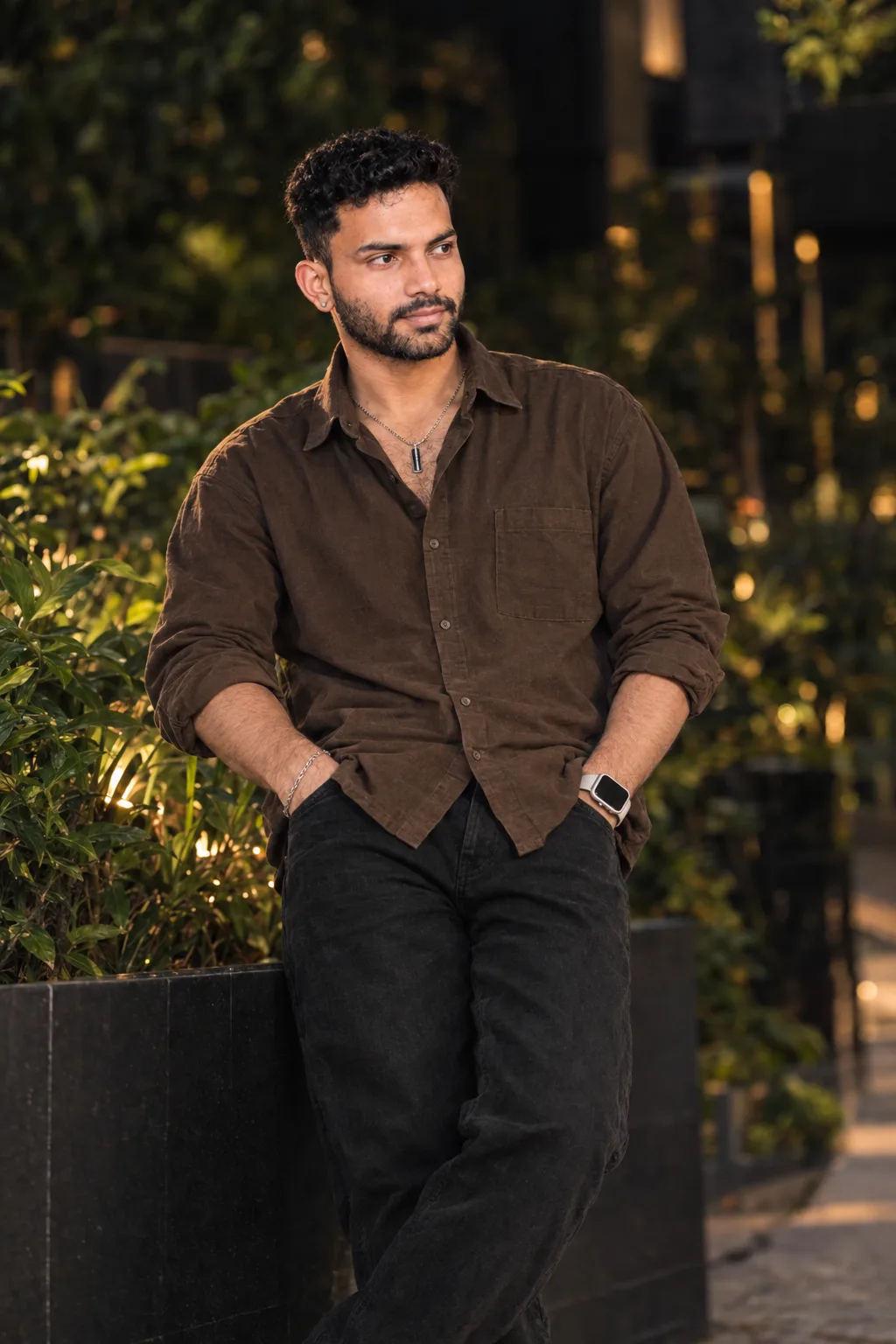
Use the uploaded user photo as the **ONLY source of the subject’s identity and facial appearance**. Preserve the user’s exact recognizable identity with maximum fidelity: facial structure and proportions, face shape, forehead, eyebrows, natural eye shape and spacing, nose, lips, mouth structure, cheeks, cheekbones, jawline, chin, skin tone, natural skin texture, hairline, hair characteristics, facial hair if present, and every distinctive facial feature. Do not copy, imitate, or reproduce the identity or facial characteristics of the reference subject. Do not beautify, reshape, slim, masculinize, feminize, age, de-age, or otherwise reinterpret the user’s identity. The user’s uploaded photo determines **WHO THE PERSON IS**; the reference image determines **HOW THAT PERSON appears, poses, dresses, looks, and interacts with the scene**. Preserve the user’s natural gender and identity even if they differ from the reference subject.
Recreate the reference image as a highly realistic full-body editorial photograph. The user is standing on the left side of the composition beside a large seated black panther positioned on the lower-right. The subject stands upright with a calm, composed, slightly statuesque posture, body oriented mostly toward the panther and slightly in profile/three-quarter view. The head is tilted subtly downward toward the animal, with the face turned toward the panther rather than directly toward the camera. Reconstruct the reference’s quiet, serious, controlled expression: relaxed facial muscles, neutral closed mouth, slightly lowered gaze, and an introspective, observant mood. The eyes should look downward and toward the seated panther, not toward the viewer. Do not use the expression, gaze direction, or head position from the user’s original photo.
Reproduce the reference body proportions and stance as closely as possible: shoulders relaxed, arms hanging naturally at the sides, hands loose beside the thighs, one hand slightly forward, fingers naturally separated and anatomically correct. Keep the subject’s legs straight with a subtle natural asymmetry, feet planted firmly apart in a relaxed standing stance. Preserve realistic anatomy and natural proportions. The subject occupies the left third of the frame while the panther occupies the lower-right, leaving substantial negative space above and around both subjects.
Dress the user in the same sophisticated dark monochromatic styling as the reference: a long, tailored deep forest-green/black overcoat extending from the shoulders to around the lower calves, structured lapels, clean straight silhouette, subtle front closure, and minimal pocket detailing. Underneath, use a black high-neck shirt or dark formal top with a narrow black tie-like vertical element if visually appropriate to the reference. Add tailored black trousers with a straight, slightly relaxed fit. Finish with polished black leather lace-up dress shoes with realistic soles and subtle highlights. If the user’s gender differs from the reference, adapt the garment naturally to the user while preserving the same silhouette, colors, tailoring, and overall styling. Include understated dark sunglasses only if they can be integrated without obscuring the user’s recognizable identity; otherwise preserve the reference’s serious unobstructed facial appearance. Keep accessories minimal and realistic.
Place a large black panther beside the subject on the right, seated upright in a powerful but controlled posture. The panther faces generally toward the camera/front-left while its head turns slightly toward the subject. Reproduce its muscular body, glossy black fur, broad shoulders, large paws, long tail extending naturally across the ground toward the right, rounded ears, visible whiskers, and realistic feline anatomy. Its mouth is open in a dramatic growl or snarl, revealing natural sharp canine teeth and pink mouth interior, matching the reference expression without exaggeration. The animal must look photorealistic, physically grounded, and naturally proportioned, with all four paws and limbs correctly formed. Do not create a fantasy creature, oversized animal, or cartoon appearance.
Recreate the minimalist architectural setting exactly: a tall pale gray-green concrete/plaster wall fills the background, with subtle weathering, fine surface grain, tiny imperfections, faint scratches, and restrained aged texture. The floor is a matching pale concrete surface extending across the foreground. A strong geometric diagonal beam of sunlight/shadow cuts across the upper-right wall, creating a large dark triangular shadow that descends diagonally behind the panther. Preserve the distinctive high-contrast architectural shadow pattern and its exact visual dominance in the composition. Additional soft shadows from the subjects fall naturally across the floor toward the lower-left.
Use warm natural directional sunlight coming from the upper-left/front-left, producing crisp but slightly softened shadows, subtle highlights along the subject’s coat and shoes, and controlled highlights across the panther’s black fur. Maintain deep forest green, charcoal black, pale gray-green, muted cream, and warm neutral tones. Avoid oversaturated colors.
Camera: vertical full-body fashion/editorial composition, approximately 4:5 aspect ratio, camera positioned around eye-to-chest height relative to the standing subject, slightly distant so the entire person is visible from head to shoes with the full panther also completely inside the frame. Use an approximately 50–70mm full-frame lens perspective with natural proportions and minimal distortion. Keep the subject on the left and panther on the right exactly as a balanced two-subject composition. Preserve generous negative space above the subjects and especially in the upper-right portion of the frame where the diagonal shadow dominates. Do not crop the head, feet, paws, tail, or coat.
Create a refined cinematic editorial photograph with subtle analog-film character: fine natural grain, slightly faded tonal response, gentle texture, restrained contrast, realistic skin, realistic fabric, detailed fur, authentic concrete texture, and soft vintage color grading. The image should feel like an avant-garde luxury fashion campaign photographed in a minimalist brutalist architectural space. Keep both the person and panther sharply detailed while allowing only very subtle background softness. Maintain physically accurate lighting, realistic contact shadows, believable scale between the person and animal, natural fabric folds, individual hair strands, and anatomically correct hands, fingers, feet, and paws.
Do not add text, logos, captions, typography, watermarks, extra people, extra animals, weapons, furniture, vehicles, buildings, decorative objects, fantasy elements, duplicated limbs, distorted anatomy, malformed hands, extra fingers, or artificial CGI effects. **USER PHOTO = WHO THE PERSON IS. REFERENCE IMAGE = EXPRESSION, GAZE, HEAD POSITION, BODY POSE, CLOTHING, PANther INTERACTION, COMPOSITION, ENVIRONMENT, LIGHTING, CAMERA, AND STYLE.** Preserve the user’s identity above everything else while reproducing the reference composition and visual behavior as accurately as possible.
複製完整的提示並根據要求使用您自己的參考照片。
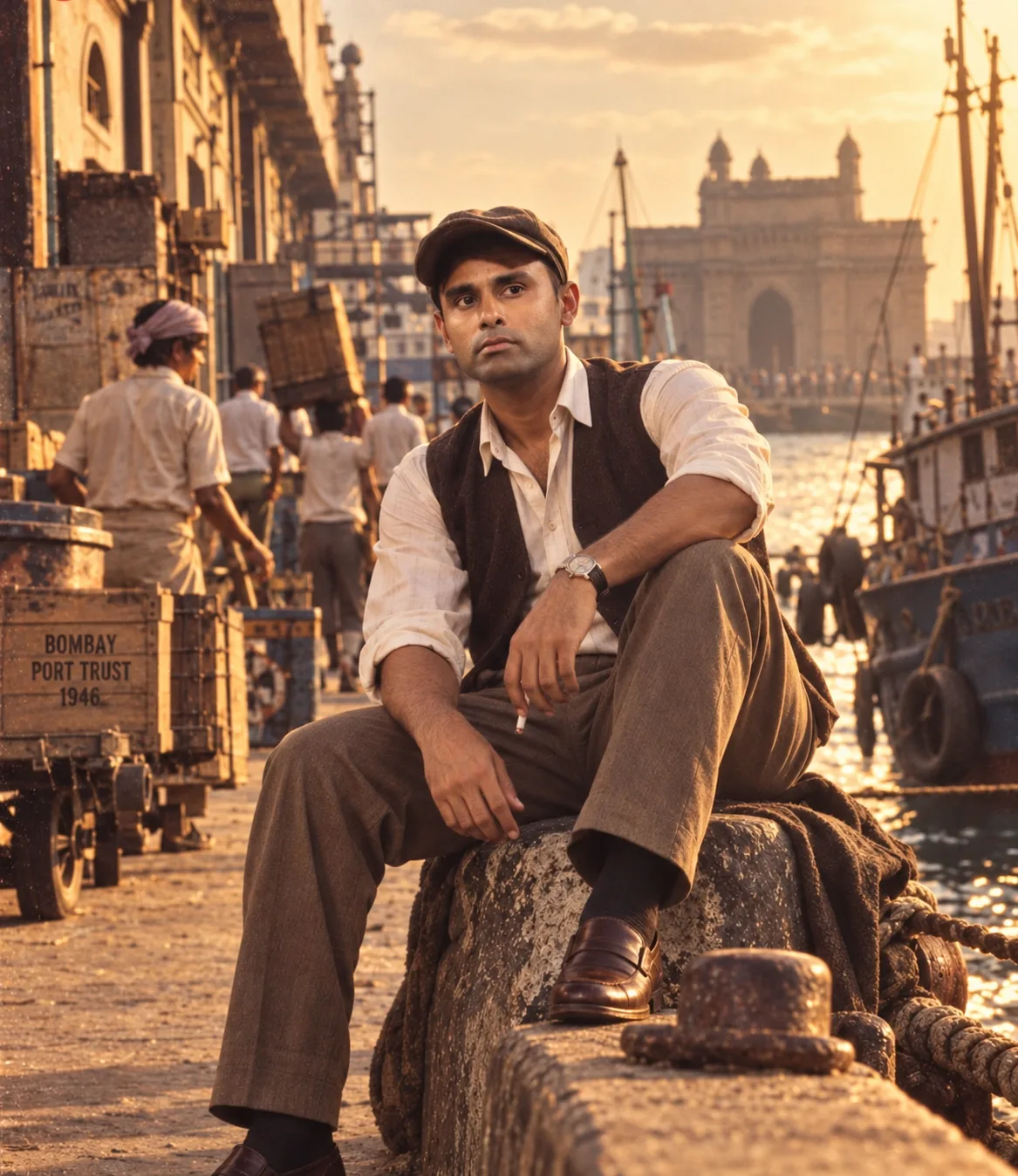
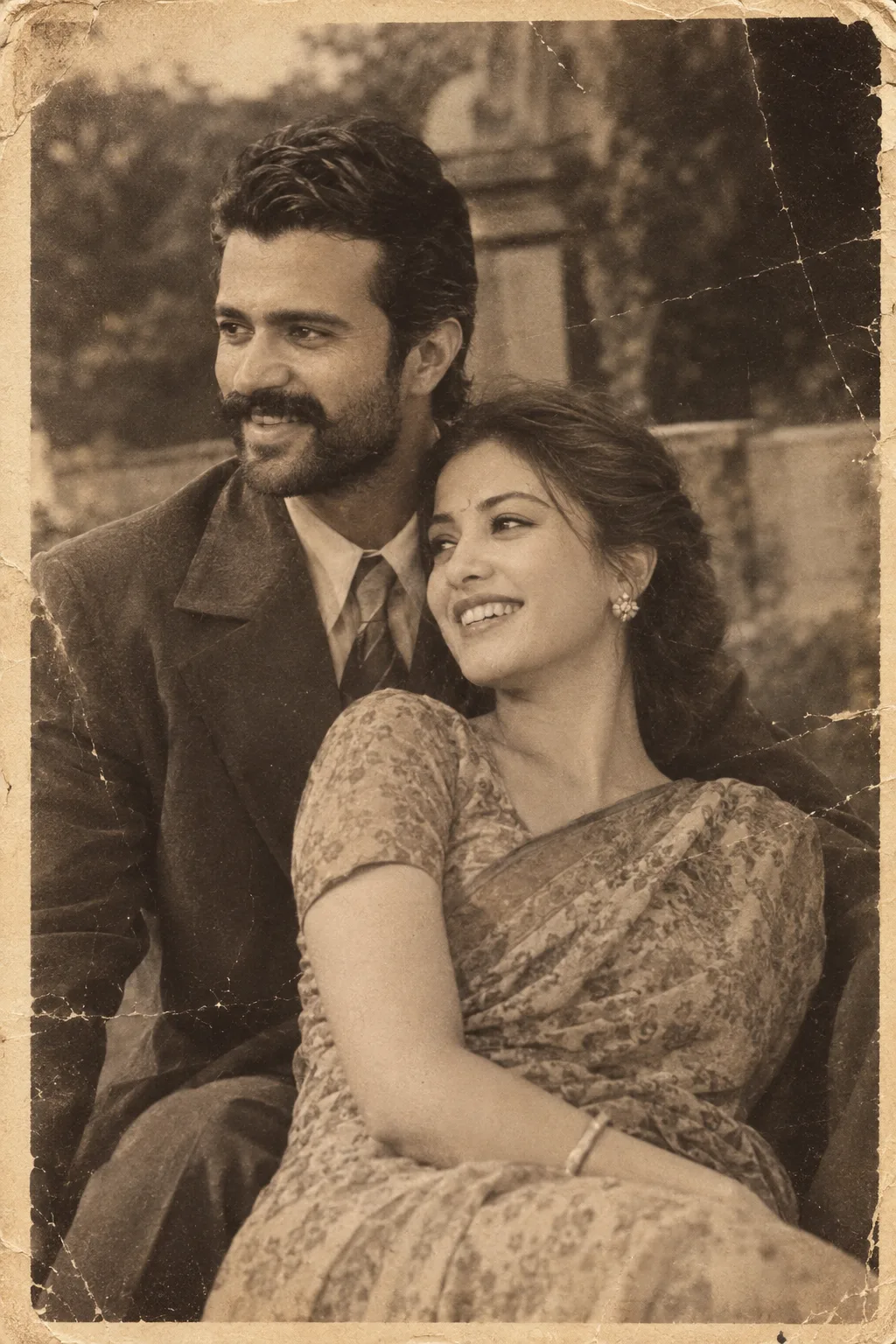
此提示提供的範例影像。此提示尚未經過我們網站的測試。