ChatGPT
Elegant White Saree Three-Panel Fashion Portrait
Written for ChatGPT. Results and reference-photo support may differ across models.
The complete prompt
Use the uploaded user photo as the ONLY source of the subject’s identity and facial appearance. Preserve the user’s exact recognizable facial structure, proportions, face shape, forehead, hairline, eyebrows, natural eye shape, nose, lips, jawline, cheeks, cheekbones, chin, skin tone, natural skin texture, and all distinctive facial characteristics. Do not copy the identity or facial features of the reference subject. Do not beautify, reshape, slim, age, de-age, masculinize, feminize, or otherwise reinterpret the user’s face. The final person must remain unmistakably the person from the uploaded photo, regardless of any difference in gender or appearance between the user and the reference. Use the reference image only to determine how the user appears, poses, dresses, and expresses themselves.
Recreate the reference as a vertical 2:3 fashion portrait collage consisting of THREE adjacent versions of the same person, arranged side-by-side from left to right, separated by narrow diagonal glowing white light strips. The three portraits should belong to one continuous dark studio composition with a nearly black background and subtle depth, maintaining consistent lighting, clothing, styling, and photographic realism across all three panels.
LEFT PANEL: Create a medium-full portrait with the subject positioned slightly toward the center divider, body turned approximately three-quarter away from the camera while the shoulders and torso angle diagonally. The subject turns their head back toward the camera with a soft, relaxed expression and a subtle closed-mouth smile. Eyes look toward the camera. Head is slightly tilted and turned back over the shoulder. Long dark hair falls naturally over the back and shoulder area. Show the upper body extending down toward the lap, with one arm naturally lowered. Preserve the reference’s elegant seated/posed fashion-editorial posture.
CENTER PANEL: Create the primary portrait, slightly larger and more visually dominant. The subject faces mostly toward the camera with the torso angled subtly, seated in a relaxed elegant posture. Head held naturally with a slight tilt, eyes looking slightly toward the side rather than directly into the lens, and a warm genuine smile with naturally parted lips and visible teeth. Reproduce the reference’s cheerful, gentle emotional expression. Long dark hair frames the face and cascades over the shoulders and down the torso. One forearm rests naturally across the lap, with the hands positioned casually. The pose must look effortless rather than rigid.
RIGHT PANEL: Create a third portrait of the same user, seated and leaning slightly forward/sideways. The head is tilted downward and turned slightly toward the subject’s own side. Eyes look downward rather than toward the camera. Reproduce the reference’s shy, joyful expression: a soft genuine smile with lowered gaze and relaxed facial muscles. One hand/arm is raised near the side of the face or hair, while the other arm rests naturally across the lap. Preserve the graceful, candid feeling of the reference pose.
CLOTHING: Dress the user in an elegant white/off-white traditional sari with delicate all-over floral embroidery or lace-like floral texture, paired with a fitted short-sleeve blouse in the same white/off-white material. The sari should drape naturally across the torso and lap with realistic folds, layered fabric, embroidery, and soft translucent texture where appropriate. Add refined traditional gold-toned dangling jhumka earrings and a delicate gold/green necklace with a small pendant. Add multiple dark emerald-green glass bangles on the wrists. Accessories should complement the outfit without changing the user’s identity.
HAIR: Recreate the reference styling with long, voluminous, naturally flowing dark hair, loose around the shoulders and extending down the torso. Preserve the user’s own natural hairline and identity characteristics while adapting the hairstyle to the reference. Include natural individual strands, soft flyaways, realistic volume, and subtle shine.
COMPOSITION: Three vertical portrait panels occupy the entire frame from top to bottom. The panels are slightly separated and divided by two prominent diagonal/slanted luminous white light beams running from near the upper edge toward the lower portion of the image. The glowing separators create a sleek editorial triptych effect. Keep the three versions visually connected and aligned as one photographic composition. Do not create three unrelated people; all three panels must clearly depict the same user.
BACKGROUND: Deep matte black/dark charcoal studio background with no visible architecture, furniture, text, logos, or distracting objects. The background should remain understated so the white outfit, dark hair, jewelry, and luminous separators stand out.
LIGHTING: Soft professional studio portrait lighting from the front and slightly above, producing gentle illumination across the face and sari while retaining dimensional shadows in the hair and clothing folds. Add subtle rim/highlight light around the hair and shoulders. The diagonal divider beams should glow intensely but naturally, producing a soft bloom without obscuring the subjects. Maintain realistic skin texture and controlled highlights.
CAMERA: High-resolution professional fashion/editorial photography, approximately 50–70mm portrait-lens perspective, eye-level to slightly elevated camera position, medium-full framing. Natural perspective with no exaggerated wide-angle distortion. Sharp facial detail, realistic proportions, refined depth of field, softly controlled background separation, crisp fabric and jewelry details, and photorealistic rendering.
COLOR & STYLE: Elegant monochromatic white-and-black palette accented by muted gold jewelry and deep green bangles. Sophisticated contemporary South Asian fashion editorial aesthetic, realistic photography, soft cinematic contrast, natural skin tones, subtle filmic finish, premium studio quality, highly detailed fabric texture, realistic hair strands, realistic jewelry reflections, and authentic photographic depth.
CRITICAL IDENTITY/EXPRESSION RULE: The uploaded user photo determines WHO the person is; the reference determines HOW that person looks and behaves in each panel. Do not preserve the source photo’s original facial expression, gaze, head angle, or pose if they differ from the reference. Transfer the reference’s three distinct expressions, eye directions, head positions, body orientations, and gestures onto the user’s unchanged identity. Ensure facial consistency across all three panels while preserving the user’s exact recognizable features.
NEGATIVE INSTRUCTIONS: no identity substitution, no reference-person face, no face blending, no facial redesign, no altered ethnicity, no gender change, no beautification that changes identity, no plastic skin, no excessive makeup, no distorted anatomy, no extra fingers, no duplicated limbs, no malformed hands, no inconsistent faces between panels, no different person in any panel, no text, no watermark, no logo, no borders, no random objects, no cartoon or illustration style. Final result must be a photorealistic, cohesive three-panel studio portrait that preserves the user’s identity exactly while reproducing the reference image’s poses, expressions, gaze directions, styling, lighting, composition, and overall visual character.
Copy the complete prompt and use your own reference photos where requested.
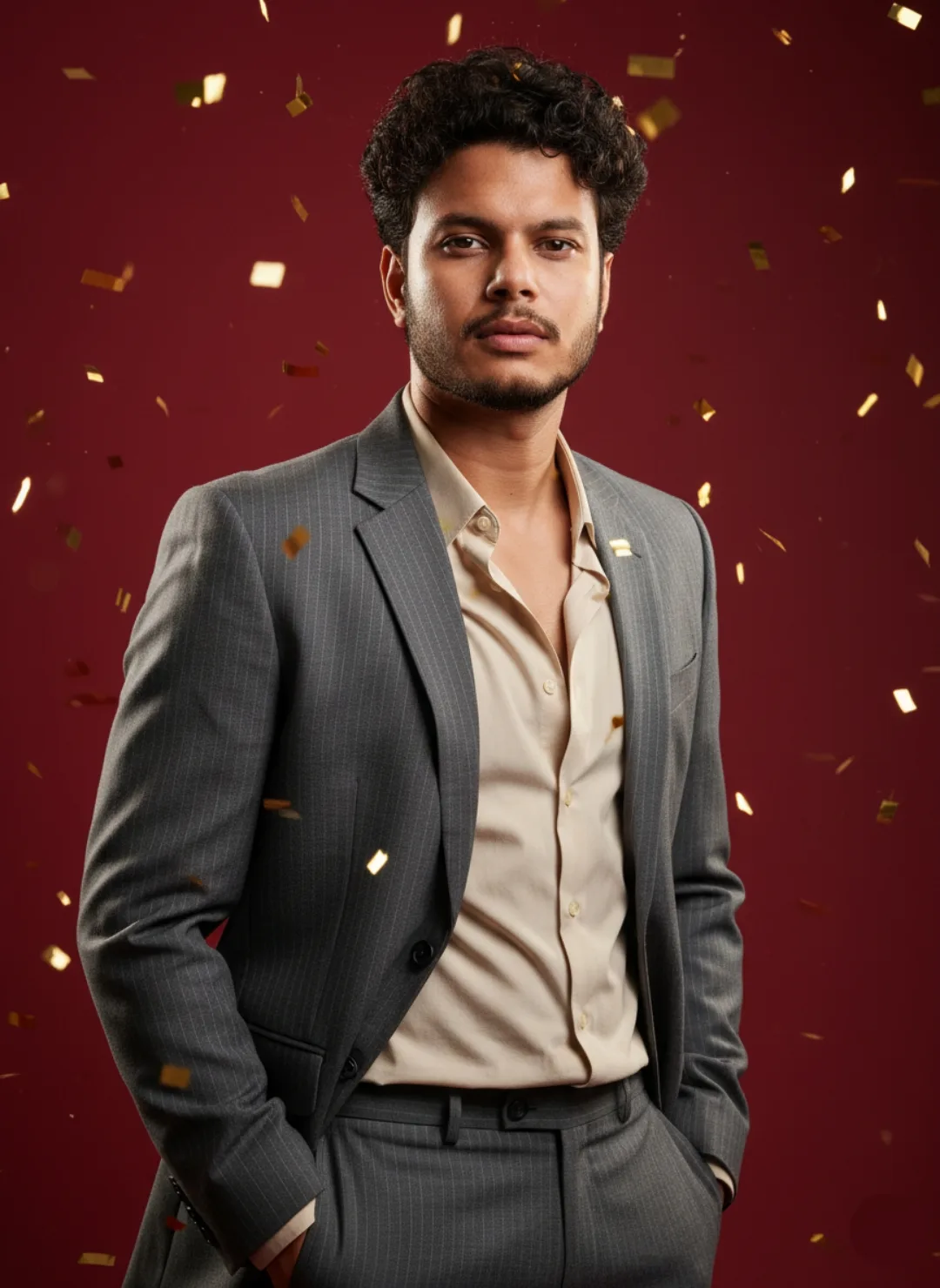
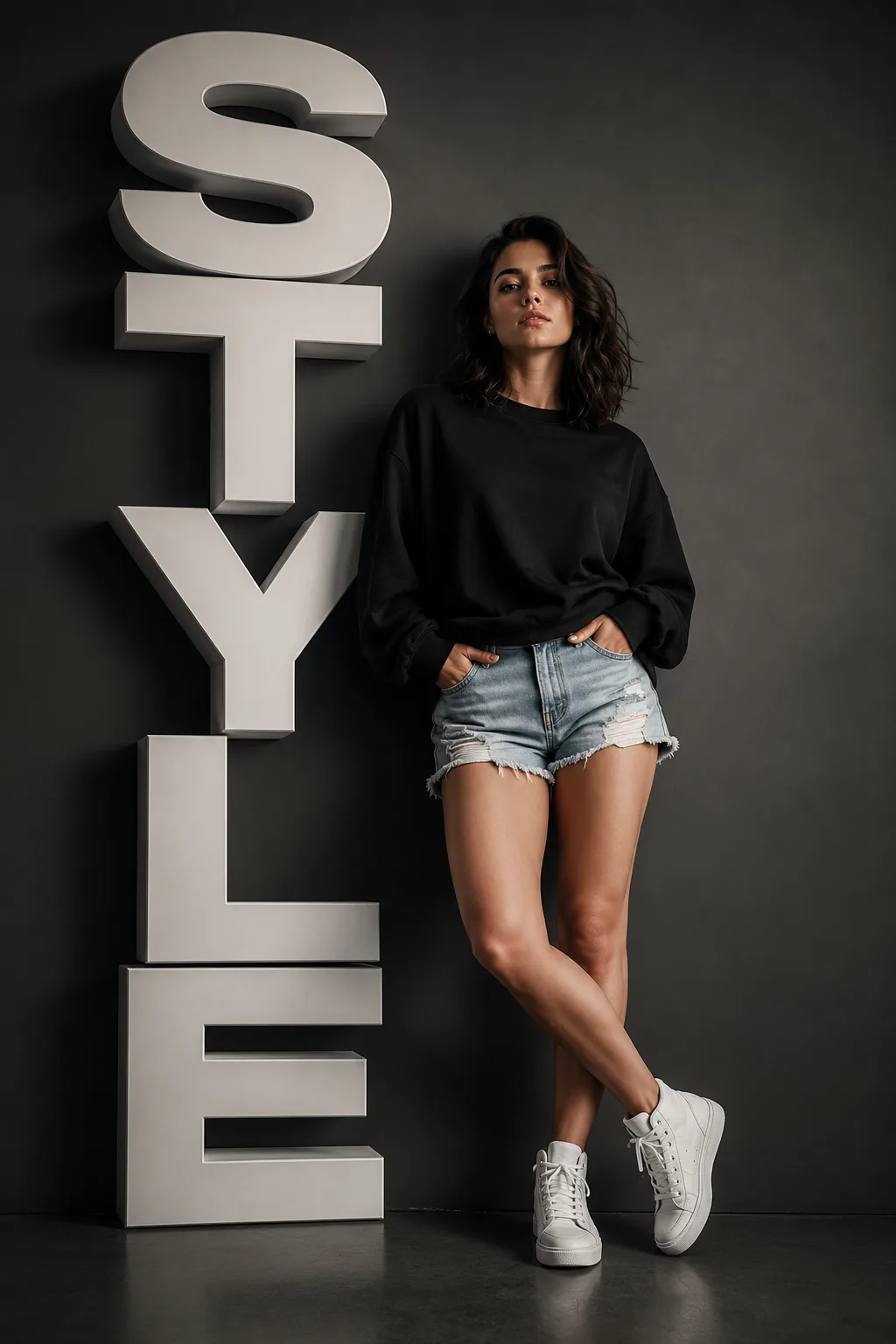
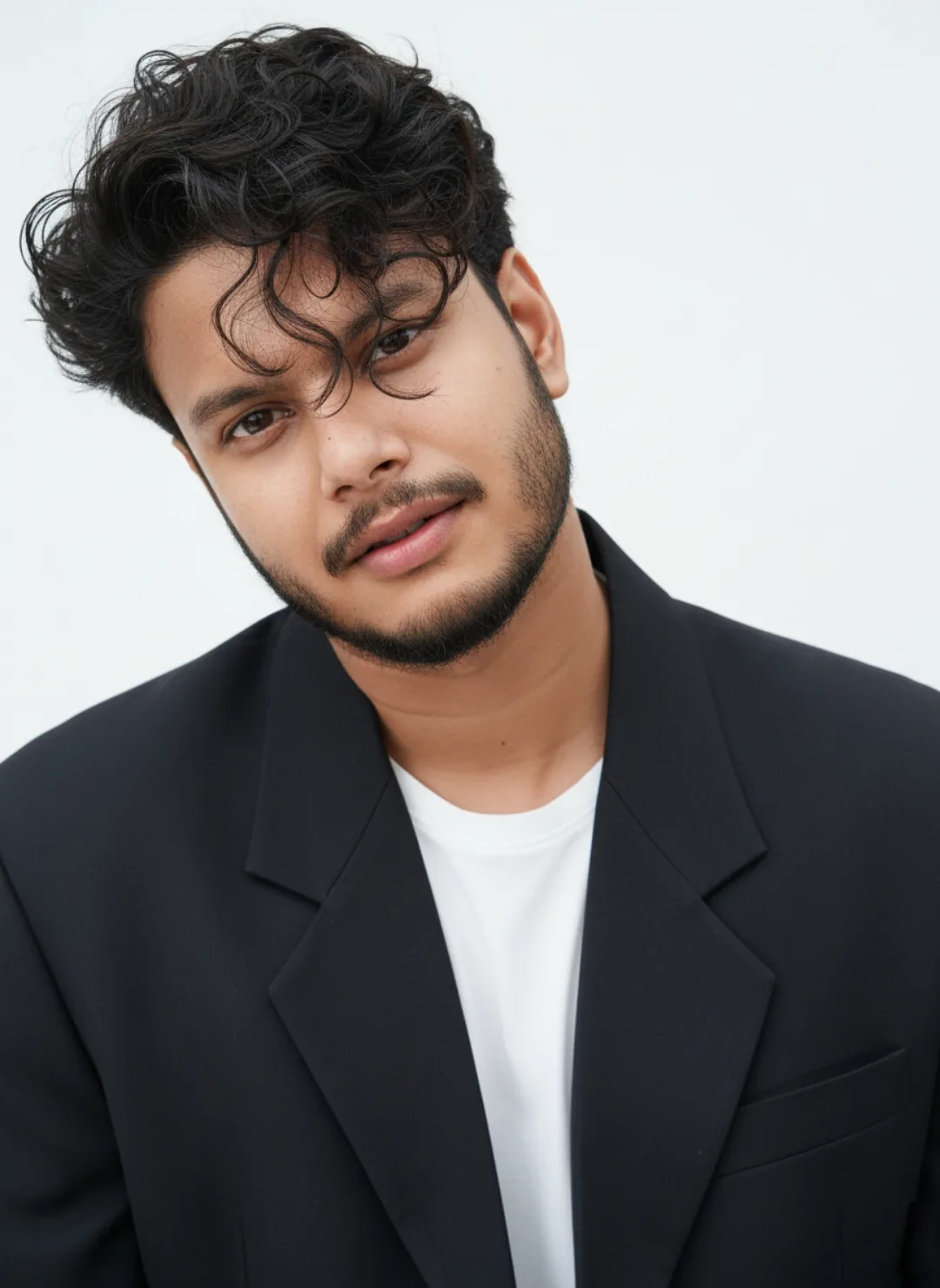
Example image provided with this prompt. This prompt has not been tested by our site.