ChatGPT
80s indian photo
Written for ChatGPT. Results and reference-photo support may differ across models.
The complete prompt
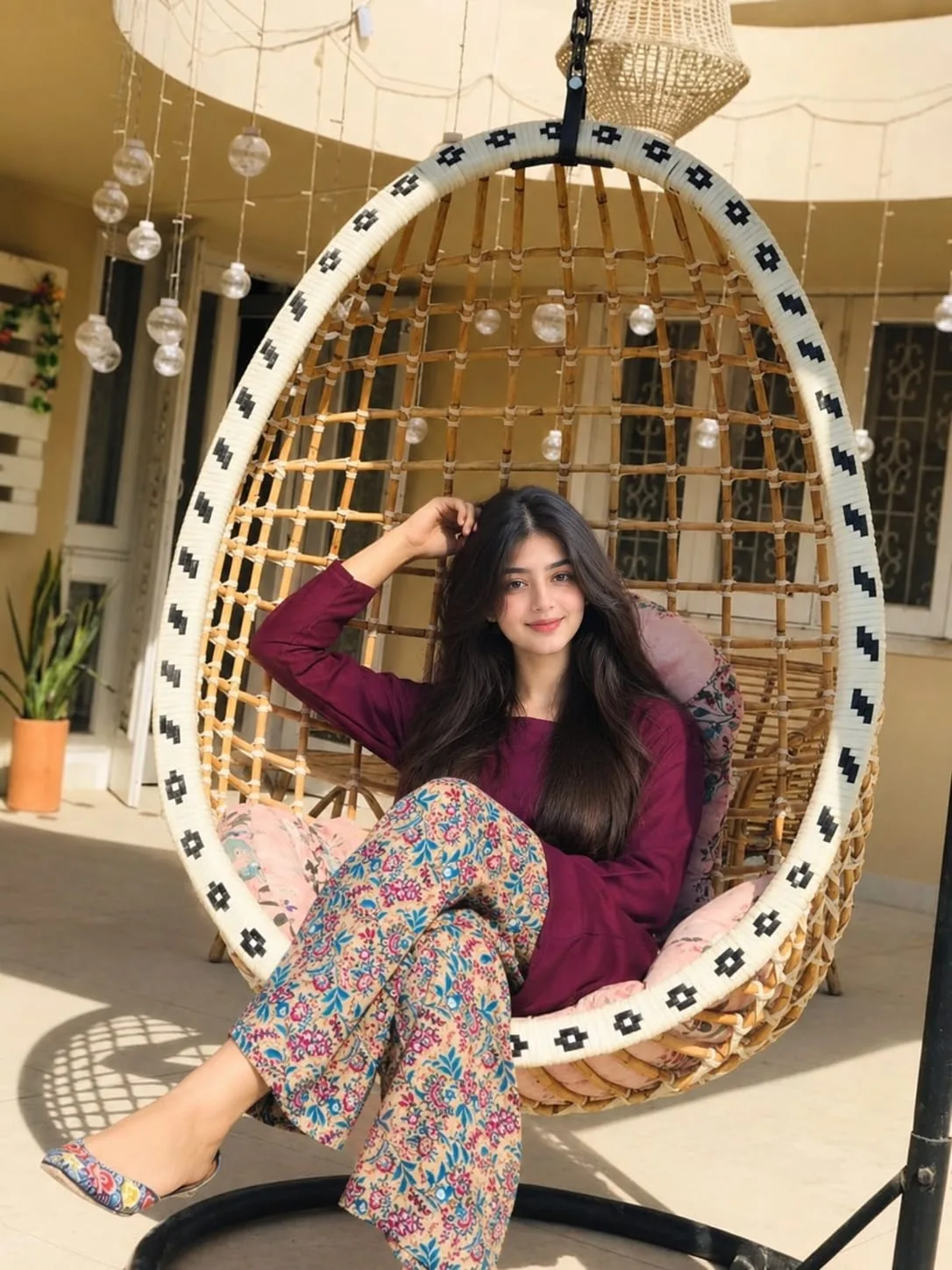
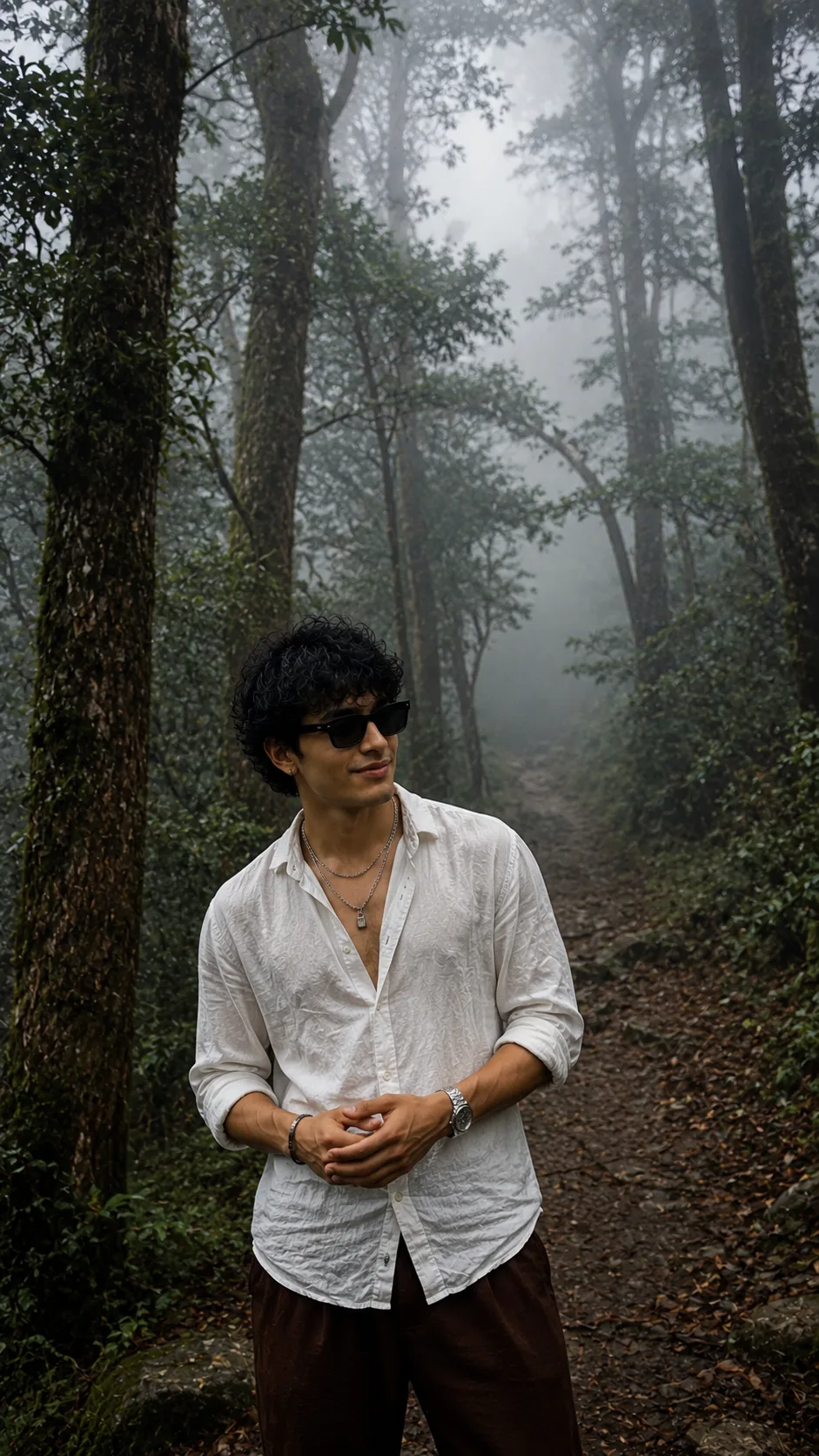
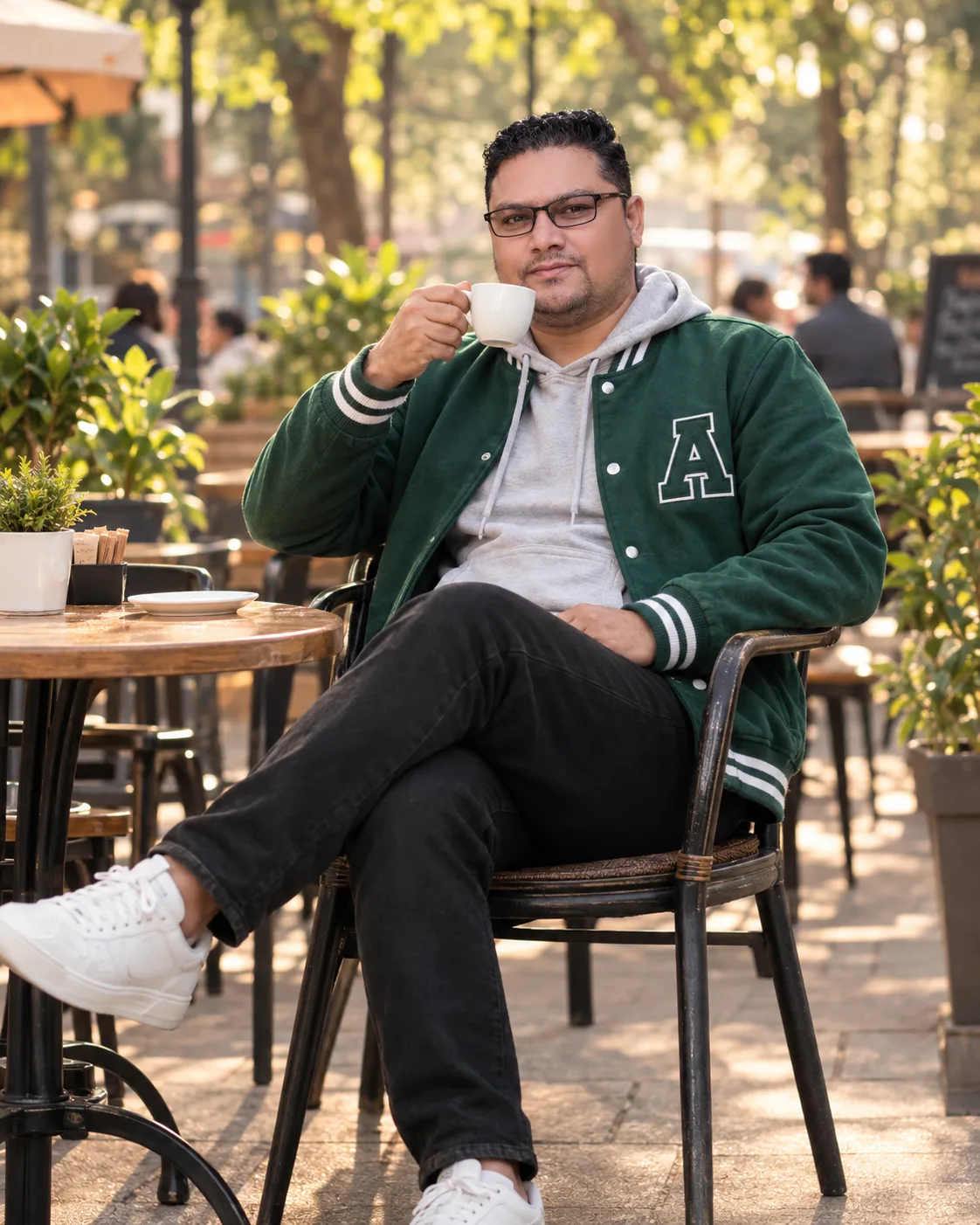
Transform the uploaded modern portrait into an authentic old Indian photograph from the 1960s–1970s, with the visual character of a real photograph taken during that era—not a modern portrait with a vintage filter.

IDENTITY & COMPOSITION: Preserve the uploaded person's recognizable facial identity exactly: facial structure, eyes, eyebrows, nose, lips, jawline, cheeks, natural skin tone, age, and distinctive facial features. Keep the person's natural body proportions. Recreate the portrait as a natural, slightly formal old-fashioned photograph, with a calm expression, realistic posture, and an authentic period-appropriate composition. Do not make the face look like a different person.

PERIOD CLOTHING & STYLING: Replace modern clothing with authentic, ordinary Indian clothing appropriate to the 1960s–1970s. Use a simple handloom or traditionally woven saree with a modest period-appropriate blouse, an old-fashioned saree drape, subtle repeated fabric patterns, and slightly faded, muted colors such as dusty maroon, earthy brown, faded mustard, dull green, muted blue, or subdued cream. The fabric should look natural, slightly coarse, and realistically worn—not glossy, luxurious, designer-like, or newly manufactured. Use only simple period-appropriate jewelry, such as traditional earrings, a small bindi if suitable, and modest bangles. No makeup: no lipstick, eyeliner, eyeshadow, contouring, highlighter, false eyelashes, or modern beauty styling. Keep natural skin texture and a realistic, unretouched face. Hair should be period-appropriate, naturally arranged, and proportional to the uploaded person's actual hair length; avoid exaggerated modern salon styling.

ENVIRONMENT & OBJECTS: Place the person in an authentic old Indian setting, such as a quiet veranda, courtyard, traditional home, aged plaster wall, wooden doorway, or simple garden near an old house. Include only objects that could genuinely belong to that period: old furniture, traditional architecture, an earthen pot, an old bicycle, a wooden chair, or other subtle period details when appropriate. No modern buildings, cars, phones, electric gadgets, plastic-looking objects, contemporary furniture, modern signage, or social-media elements. The background should feel naturally lived-in, slightly aged, and understated—not like a modern studio set.

LIGHTING & COLOR: Use soft, natural, low-contrast light, like an old photograph taken outdoors or near a veranda. Avoid dramatic cinematic lighting, strong HDR, bright highlights, neon colors, highly saturated colors, modern color grading, teal-and-orange tones, and clean digital contrast. The entire image should have subdued, dusty, slightly warm, faded tones, with gentle shadows and a restrained tonal range.

CAMERA & PHOTOGRAPHIC CHARACTER: Make it look as though it was captured with a real 1960s–1970s analog film camera, using period-appropriate photographic characteristics: soft focus, slightly limited sharpness, mild motion softness, subtle lens imperfections, gentle film grain, fine photographic noise, slightly uneven exposure, and modest detail. The face should remain recognizable, but the image must not be unnaturally crisp. Avoid the appearance of a modern DSLR, smartphone, computational photography, AI portrait, or professionally retouched digital image.

OLD PRINT / FRAME APPEARANCE: The final image should resemble a genuinely preserved old printed photograph from an Indian family album. Use a subtle aged-paper texture, slightly faded photographic emulsion, gentle sepia or warm brown tonal influence, soft contrast, and a naturally aged print surface. Add very subtle signs of age only if appropriate: delicate grain, slight fading, tiny dust specks, mild discoloration, and softly worn edges. The photograph should feel like a real physical print that has existed for decades—not an artificial overlay of heavy scratches. Avoid excessive damage, dramatic cracks, extreme sepia, fake film borders, modern presets, or obvious AI-generated texture.

FINAL VIBE: Authentic, nostalgic, quiet, intimate, historically believable, and aesthetically beautiful in the way a real old Indian photograph feels. It should look like a photograph someone discovered in an old family album, not a present-day person dressed in vintage clothing. No modern generation look, no modern fashion, no modern colors, no makeup, no digital sharpness, no AI beauty filter, and no contemporary objects.The result must look like an actual scanned 1960s–1970s Indian family photograph, not a modern AI-generated portrait. Prioritize historical photographic realism, faded analog film character, natural imperfections, and authentic period styling over sharpness, glamour, or perfection.
Copy the complete prompt and use your own reference photos where requested.
Example image provided with this prompt. This prompt has not been tested by our site.