ChatGPT
Crimson Saree Portrait
Written for ChatGPT. Results and reference-photo support may differ across models.
The complete prompt
Use the uploaded user photo as the **ONLY source of the subject’s identity and facial appearance**. Preserve the user’s exact recognizable identity with maximum fidelity: natural face shape, facial proportions, forehead, hairline, eyebrows, eye shape and spacing, nose, lips, mouth structure, cheeks, cheekbones, jawline, chin, skin tone, natural skin texture, facial hair if present, and every distinctive facial characteristic. **USER PHOTO = WHO THE PERSON IS.** Do not replace, redesign, beautify, feminize, masculinize, or reinterpret the user’s identity. Never make the subject resemble the reference person. If the user is male, keep the subject male; if female, keep the subject female; preserve the user’s identity and gender presentation regardless of the reference.
Use the reference image strictly as the source for the **scene, pose, expression, gaze, styling, composition, lighting, environment, and artistic appearance**. **REFERENCE IMAGE = HOW THE USER LOOKS AND ACTS IN THE SCENE.**
Recreate the reference as a vertical, highly detailed cinematic digital portrait of the user wearing an elegant deep crimson/red sari with a rich satin/velvet-like texture. The sari is draped naturally across the body and over one shoulder, with a narrow ornate gold-toned embellished border running diagonally from the upper shoulder across the chest. Add a small intricate gold floral brooch/ornament positioned near the upper chest on the sari. The blouse should be dark crimson/deep burgundy, fitted naturally to the user’s body proportions, with realistic fabric folds and subtle highlights.
Recreate the reference pose precisely: a close medium portrait with the upper torso visible, shoulders relaxed, body angled slightly rather than perfectly square to the camera. The subject’s head is turned slightly toward the viewer’s right while the face remains clearly visible in a three-quarter orientation. The chin is gently raised, creating an elegant elongated neck and poised posture. The head position, neck angle, shoulder placement, and body orientation must follow the reference image exactly while adapting naturally to the user’s anatomy.
Recreate the reference facial expression rather than the expression in the uploaded user photo. The expression is calm, graceful, composed, slightly dreamy and contemplative, with relaxed facial muscles and subtly parted lips. The mouth should have a soft natural closed/near-closed position without a smile. The eyes are open and directed toward the viewer’s right/upward-right, clearly looking away from the camera rather than directly into the lens. Preserve the exact gaze direction, eyelid openness, eyebrow position, emotional mood, and head angle of the reference. **Do not copy the user photo’s original expression, gaze, or head pose.**
Style the user with an elegant traditional South Asian appearance inspired by the reference while keeping the user’s own identity. Create dark, softly arranged hair gathered back into a low bun or braided arrangement, with a few delicate loose strands framing the face. Place several rich red roses prominently around the rear/left side of the hairstyle, matching the reference arrangement. Add ornate dangling gold earrings with red gemstone-like details. If culturally appropriate to the user’s appearance, include a small centered red bindi on the forehead as shown in the reference; the bindi is a styling element and must not alter facial identity.
Composition: vertical 9:16 portrait framing, subject occupying most of the frame, positioned centrally with a slight visual bias toward the left/middle. Show the head, shoulders, neck, and substantial upper torso, with the lower sari extending toward the bottom edge. Maintain the same crop and visual proportions as the reference. The face is the primary focal point, with the sari and jewelry forming secondary visual emphasis.
Recreate the warm indoor environment from the reference: a dim, sophisticated interior with dark brown/charcoal architectural surfaces and softly illuminated background elements. Keep the background heavily subdued and slightly out of focus. Include indistinct interior details such as a dark wall, doorway or architectural framing, and subtle decorative shapes in the distance, but do not introduce distracting objects. Add a warm vertical foreground element along the right edge of the frame, softly blurred and glowing with amber/orange light, creating depth and the intimate feeling of shooting through or beside a doorway/curtain.
Lighting must match the reference: warm cinematic tungsten illumination focused primarily on the face and upper body, with gentle amber highlights across the forehead, cheeks, nose, lips, and sari. Use soft directional key light from the front/right side, subtle warm rim illumination around the hair, and deep but controlled shadows on the opposite side of the face and clothing. Preserve realistic tonal transitions, glowing skin highlights, rich crimson fabric reflections, and a dark atmospheric background. Avoid harsh studio lighting.
Camera perspective should resemble a portrait photographed from approximately eye level to slightly below eye level, at close-to-medium distance, using a portrait lens around 70–100mm equivalent. Natural compressed perspective, flattering but realistic facial proportions, shallow depth of field, crisp focus on the eyes and facial features, gradually softer focus toward the sari and background. The foreground orange element should have strong soft bokeh. Maintain realistic optical depth rather than a flat illustration.
Overall visual style: luxurious cinematic South Asian editorial portrait, painterly yet photorealistic, refined digital-art finish, rich deep reds and warm amber-brown tones, delicate skin rendering, realistic fabric texture, detailed jewelry, subtle filmic grain, soft atmospheric glow, sophisticated color grading, high dynamic range, premium fashion-editorial aesthetic. Preserve the reference’s elegant illustrated/painted quality without turning the user into a different person.
**ABSOLUTE PRIORITY:** 1) user photo controls identity; 2) reference controls expression, emotion, gaze, head position and pose; 3) reference controls composition and camera perspective; 4) reference controls clothing, accessories and environment; 5) reference controls lighting, color palette and artistic style. Do not allow the user’s source-photo expression, gaze, head angle, clothing, background, or pose to override the reference. Do not copy the reference person’s identity or facial structure. The final image must unmistakably be the user, placed into the exact visual situation and emotional presentation of the reference. High detail, natural anatomy, realistic hands if visible, accurate jewelry, clean facial features, realistic skin texture, cinematic depth of field, premium quality, no text, no watermark, no logo.
Copy the complete prompt and use your own reference photos where requested.
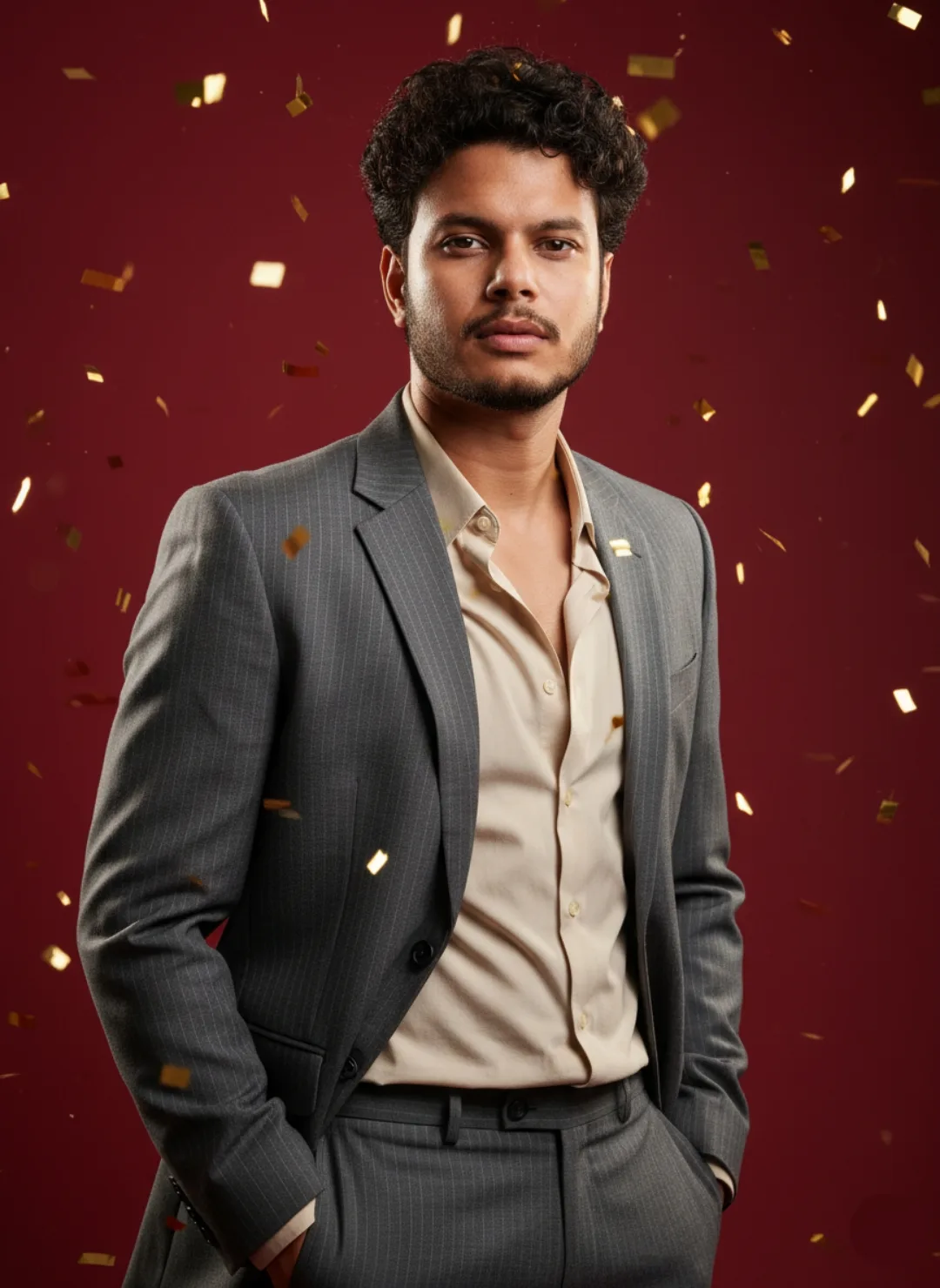
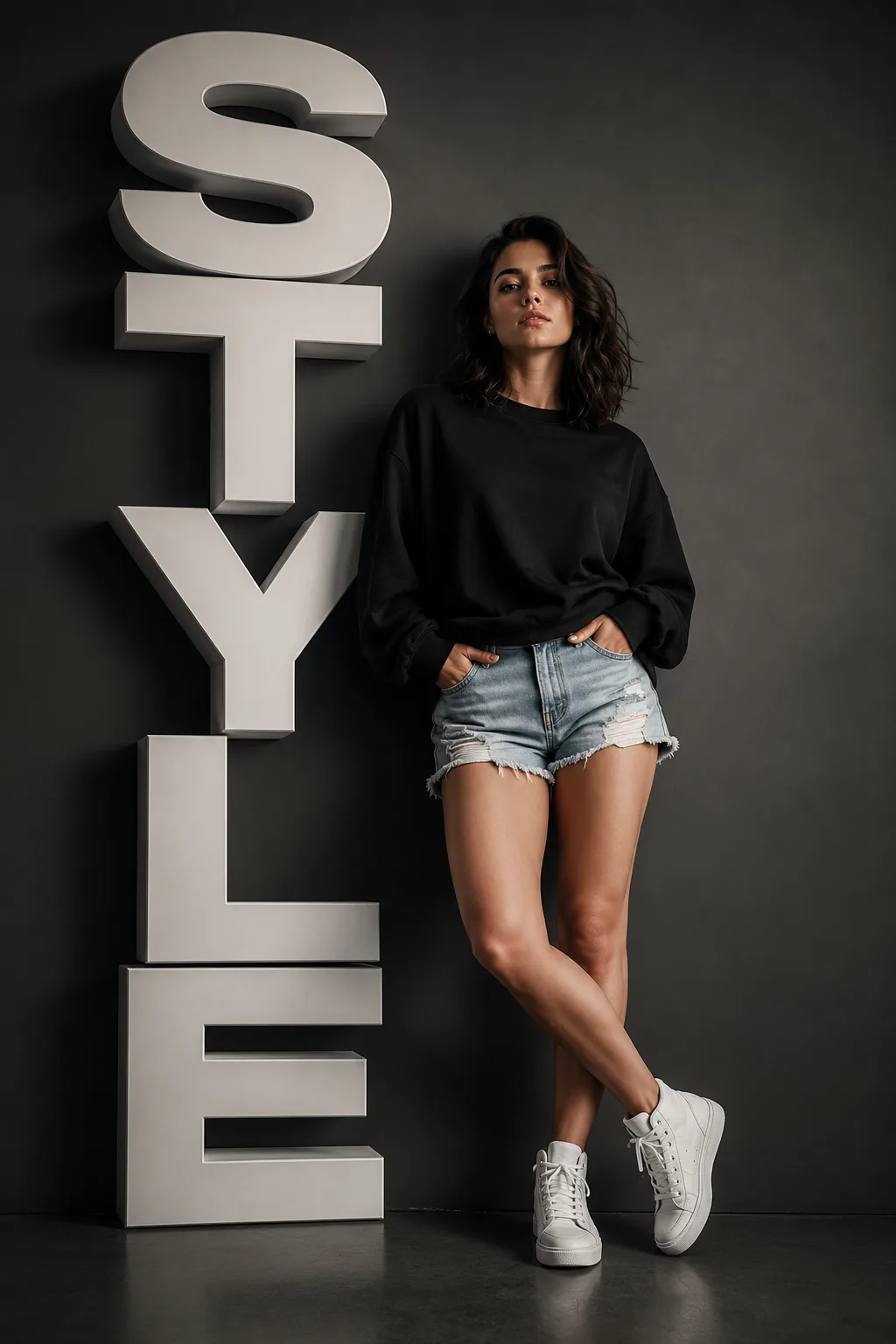
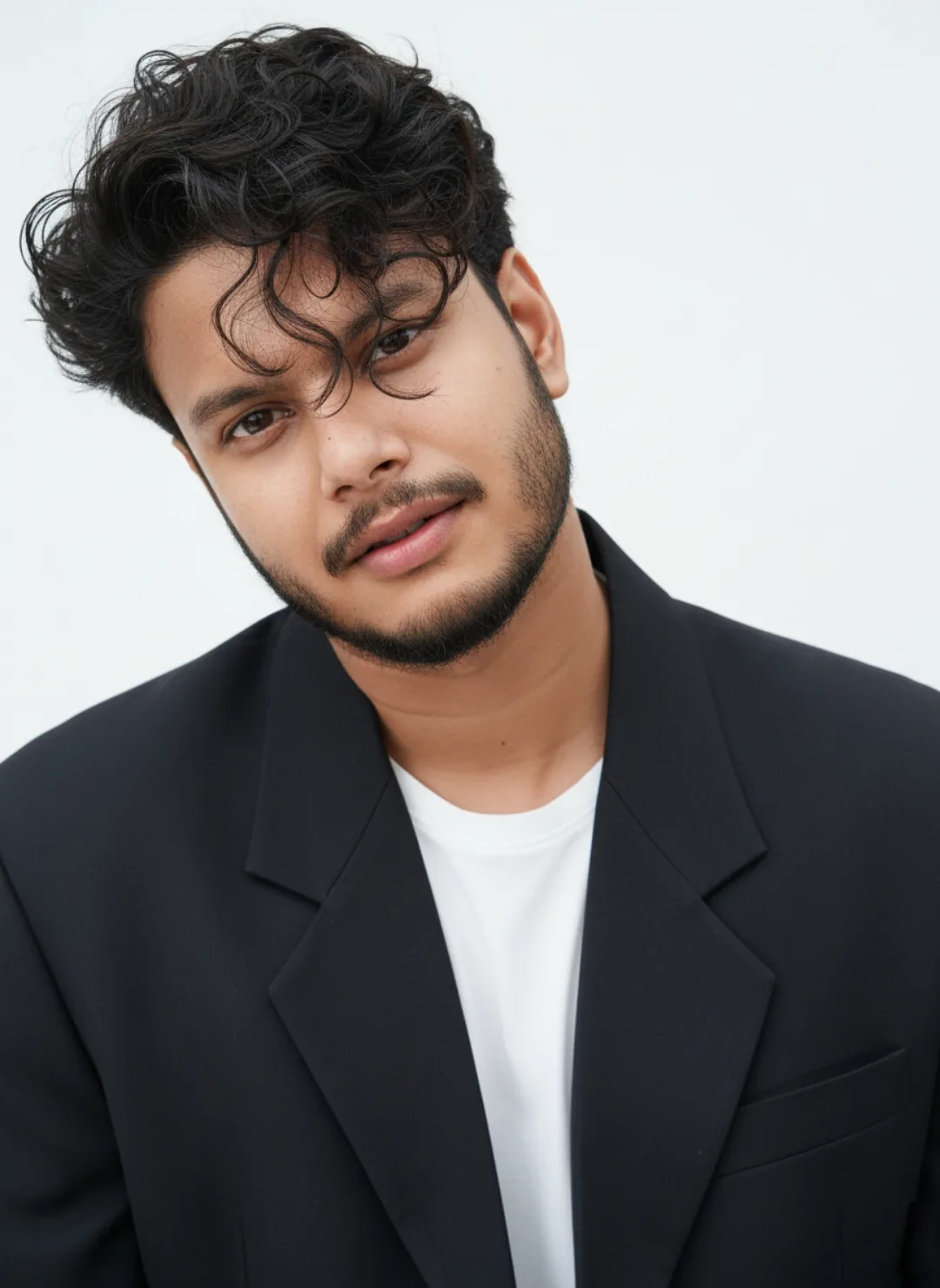
Example image provided with this prompt. This prompt has not been tested by our site.