ChatGPT
Split face
Written for ChatGPT. Results and reference-photo support may differ across models.
The complete prompt
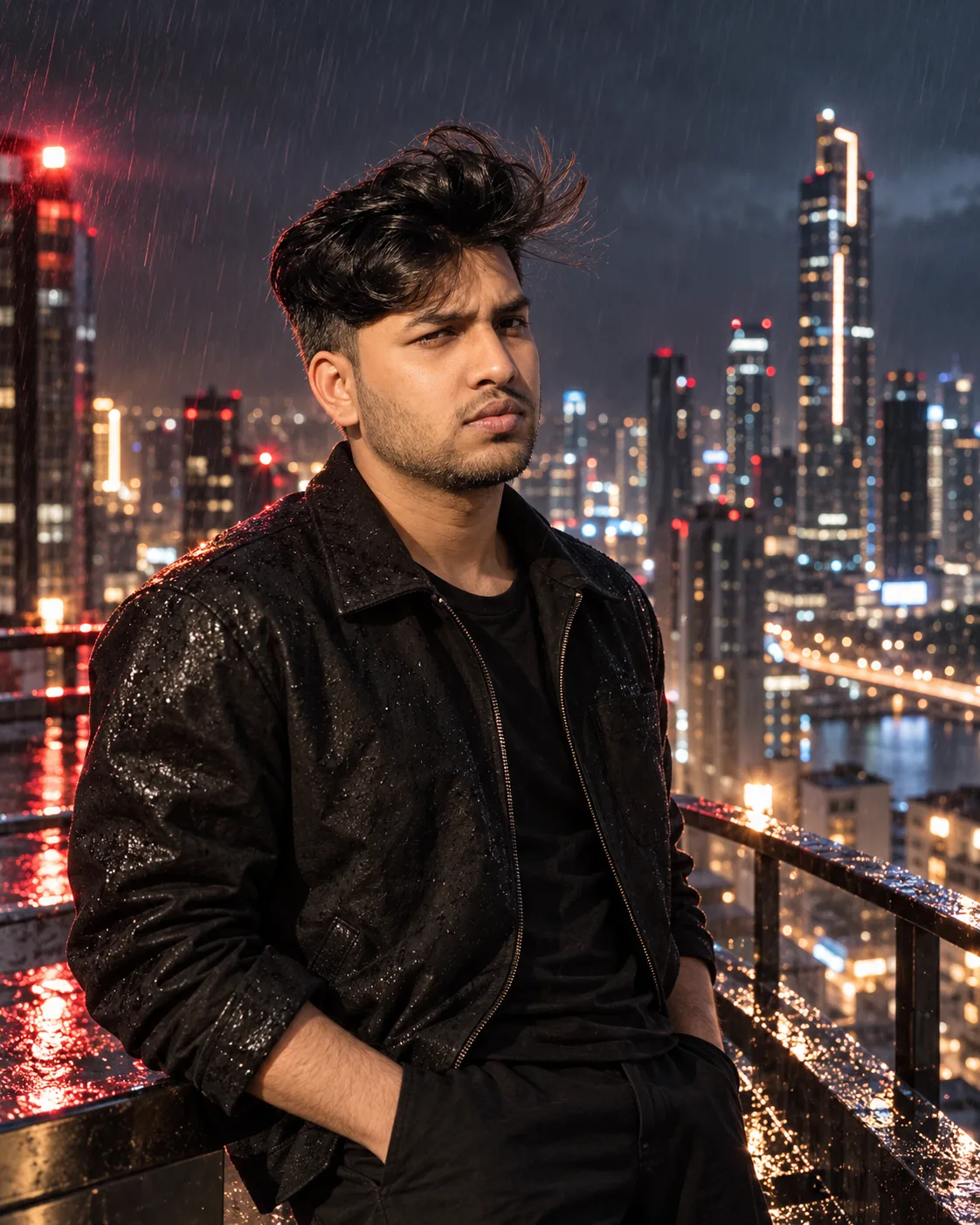
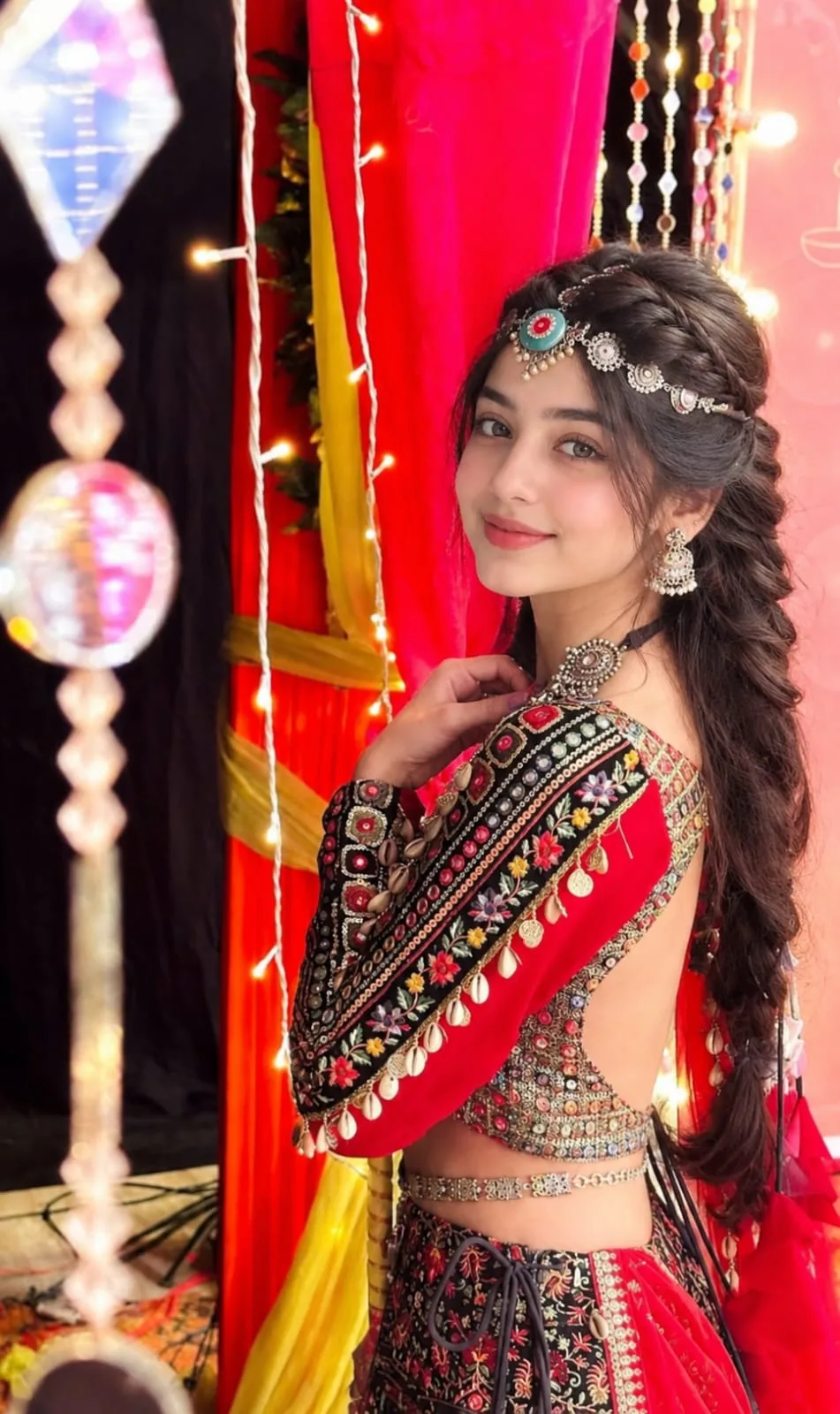
Use the two uploaded reference images as STRICT reference sources.

IMAGE 1 = PERSON 1 → LEFT 50%
IMAGE 2 = PERSON 2 → RIGHT 50%

1. CORE RESULT — TRUE 50/50 SPLIT

Create a highly realistic 50/50 vertical split-face portrait using the two reference images.

LEFT HALF OF FACE = PERSON 1.
RIGHT HALF OF FACE = PERSON 2.

Keep each person's recognizable identity strictly on their own side.

Do NOT average the two identities together.

Do NOT create a new generic face.

Do NOT mix Person 1's features into Person 2's half or Person 2's features into Person 1's half.

Do NOT create two separate people or two heads.

The final image must show one head and one portrait with two clearly recognizable facial identities divided vertically down the center.

Only the central boundary should have a subtle, realistic transition so it does not look like a digital cut-and-paste.

---

2. IDENTITY PRESERVATION — HIGHEST PRIORITY

Preserve the recognizable facial characteristics of each person with maximum fidelity.

PERSON 1 — LEFT 50%

Preserve Person 1's:

- left eye
- eye shape
- eyelid structure
- iris appearance/color
- eyebrow shape and thickness
- forehead
- left side of nose
- nostril structure
- cheek
- cheekbone
- left half of lips
- mouth shape
- jawline
- chin
- facial proportions
- natural skin texture
- distinctive facial marks
- hair
- facial hair, if present

PERSON 2 — RIGHT 50%

Preserve Person 2's:

- right eye
- eye shape
- eyelid structure
- iris appearance/color
- eyebrow shape and thickness
- forehead
- right side of nose
- nostril structure
- cheek
- cheekbone
- right half of lips
- mouth shape
- jawline
- chin
- facial proportions
- natural skin texture
- distinctive facial marks
- hair
- beard/mustache/facial hair, if present

Do not beautify either person.

Do not make either person younger, slimmer, smoother, more symmetrical, or more attractive.

Preserve their natural identity and facial characteristics.

---

3. EYES

LEFT EYE = PERSON 1.
RIGHT EYE = PERSON 2.

Preserve each person's original:

- eye shape
- size
- eyelid
- eyebrow relationship
- iris appearance
- natural eye texture
- gaze

Both eyes must look directly toward the camera.

Keep both eyes at the same realistic height and perspective without changing their identity.

---

4. NOSE

The nose must follow the 50/50 split.

LEFT SIDE OF NOSE = PERSON 1.
RIGHT SIDE OF NOSE = PERSON 2.

Preserve each person's recognizable:

- nose bridge
- width
- tip
- nostril
- nose contour
- natural proportions

Do NOT average the two noses into a third nose.

The two sides must connect naturally at the center while keeping each person's original nose characteristics on their respective side.

---

5. LIPS & MOUTH

LEFT HALF OF LIPS = PERSON 1.
RIGHT HALF OF LIPS = PERSON 2.

Preserve:

- lip shape
- lip thickness
- cupid's bow
- mouth proportions
- natural lip texture
- natural color

Create one continuous mouth with a precise central division.

Do not average the lips.

Do not create oversized, undersized, or distorted lips.

---

6. HAIR

LEFT SIDE HAIR = PERSON 1.
RIGHT SIDE HAIR = PERSON 2.

Preserve each person's original:

- hairstyle
- hairline
- hair color
- length
- volume
- density
- texture
- direction
- natural strands

Do NOT replace either hairstyle with generic hair.

Do NOT average both hairstyles.

Maintain a natural central transition where the two hairstyles meet.

---

7. BEARD & FACIAL HAIR

If one person has a beard, mustache, sideburns, or other facial hair, preserve it clearly on that person's half.

For example:

Person 1 clean-shaven → LEFT half remains clean-shaven.
Person 2 has beard → RIGHT half clearly retains Person 2's beard.

Preserve the original:

- beard density
- beard shape
- mustache
- sideburns
- individual hair texture
- natural growth direction
- beard color

Do NOT transfer the beard onto the opposite person's half.

Do NOT remove facial hair.

Do NOT invent facial hair that is absent from the reference.

The facial hair must naturally follow the face while remaining clearly associated with the correct person's side.

---

8. SKIN & FACIAL TEXTURE

Preserve the natural appearance of both people.

Maintain:

- authentic skin tone
- natural pores
- fine lines
- small imperfections
- freckles/marks if visible
- natural facial texture
- apparent age

Do NOT excessively smooth the skin.

Do NOT create plastic skin.

Do NOT apply a beauty filter.

Both halves should retain their recognizable skin characteristics while sharing the same photographic lighting.

---

9. CLOTHING — ABSOLUTELY DO NOT CHANGE

CRITICAL: Preserve ALL clothing from BOTH reference images exactly as shown.

Do NOT:

- remove clothing
- replace clothing
- redesign clothing
- recolor clothing
- change fabric
- change patterns
- change prints
- change embroidery
- change neckline
- change collar
- change sleeves
- change buttons
- change stitching
- change texture
- simplify clothing
- modernize clothing
- add new clothing
- remove visible clothing details

Preserve every visible clothing characteristic from the original references.

PERSON 1 — LEFT SIDE CLOTHING

Keep Person 1's original clothing exactly as shown in Image 1.

Preserve the original:

- garment
- color
- pattern
- fabric
- texture
- design
- fit
- folds
- neckline
- sleeves
- details
- accessories worn with the outfit

PERSON 2 — RIGHT SIDE CLOTHING

Keep Person 2's original clothing exactly as shown in Image 2.

Preserve the original:

- garment
- color
- pattern
- fabric
- texture
- design
- fit
- folds
- neckline
- sleeves
- details
- accessories worn with the outfit

Do not create a new outfit.

Do not make both people wear matching clothes.

Do not transfer Person 2's clothing onto Person 1.

Do not transfer Person 1's clothing onto Person 2.

If the two outfits meet at the center of the composition, connect them naturally while retaining the exact visible design and characteristics of BOTH original outfits.

---

10. ACCESSORIES

Preserve all clearly visible accessories from the reference images.

Do not remove, replace, duplicate, or invent:

- earrings
- necklaces
- glasses
- hair accessories
- watches
- jewelry
- clothing accessories

Keep each accessory associated with the correct person's side.

---

11. POSE & BODY

Use one natural portrait composition.

- directly facing camera
- straight-on camera angle
- head centered
- direct eye contact
- neutral expression
- relaxed facial muscles
- no smile
- no dramatic expression
- no head tilt
- relaxed shoulders
- natural standing or seated posture
- arms naturally resting by the sides or outside the frame
- no raised hands
- no hand gestures
- no crossed arms
- no hands touching the face

Frame from slightly below the chest upward.

Show:

- full head
- neck
- both shoulders
- upper torso

Keep the body and clothing natural and proportional.

---

12. CENTER DIVISION

Create a precise vertical 50/50 division.

The centerline should approximately pass through:

forehead → between eyes → center of nose → center of lips → chin.

The division must remain visually clear enough that the viewer can identify:

Person 1 = LEFT
Person 2 = RIGHT

However, the boundary must not look like a hard digital cut.

Use a very subtle natural transition at the center.

No diagonal division.

No curved division.

No random blending.

No gradual mixing of the identities across the entire face.

---

13. LIGHTING & PHOTOGRAPHY

Create realistic natural COLOR photography.

NO black and white.

Use consistent:

- lighting direction
- exposure
- shadows
- color temperature
- focus
- camera perspective
- depth of field

across both halves.

The two reference identities should look as though they were photographed under the same photographic conditions.

Use realistic skin texture, natural shadows, subtle background blur/bokeh, mild film grain, and authentic camera detail.

---

14. REALISM

The final image must look like a genuine photograph captured with a real camera.

Avoid:

- AI-looking face
- generic face
- identity averaging
- face-swap appearance
- two separate people
- two heads
- collage
- pasted face
- digital cutout
- obvious seam
- distorted facial anatomy
- duplicated eyes
- extra eyes
- duplicated nose
- duplicated mouth
- malformed lips
- distorted jaw
- incorrect beard
- beard transferred to wrong side
- artificial symmetry
- plastic skin
- excessive smoothing
- excessive sharpening
- beauty filter
- CGI
- 3D render
- illustration
- cartoon appearance
- unnatural hair
- altered clothing
- invented clothing
- missing clothing details

---

15. FINAL STRUCTURE — FOLLOW EXACTLY

ONE HEAD
ONE PORTRAIT
TWO DISTINCT IDENTITIES
EXACT 50/50 VERTICAL SPLIT

LEFT 50% = PERSON 1
Preserve Person 1's eyes, lips, nose, eyebrow, hair, skin, jaw, facial details, clothing, and accessories.

RIGHT 50% = PERSON 2
Preserve Person 2's eyes, lips, nose, eyebrow, hair, skin, jaw, beard/facial hair, facial details, clothing, and accessories.

Do not merge the identities together.

Do not average their features.

Do not change either person's clothing.

Only create a subtle, realistic transition exactly at the centerline.

The result must look like a highly realistic photograph showing Person 1's exact left half and Person 2's exact right half of the same portrait.
Copy the complete prompt and use your own reference photos where requested.
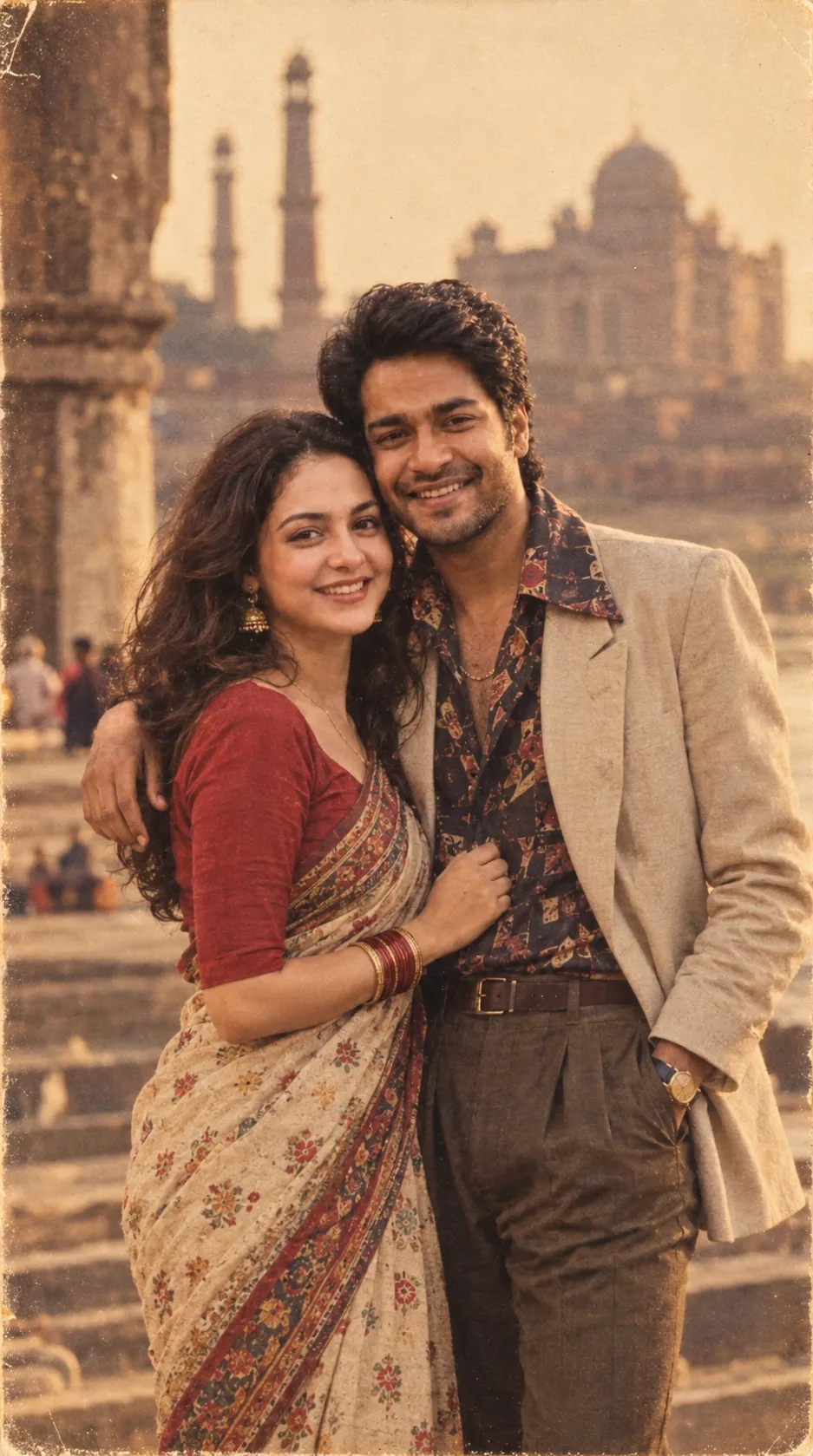
Example image provided with this prompt. This prompt has not been tested by our site.